
Platform change has exposed data inconsistency
Core systems are changing, but data structures, ownership and reporting dependencies no longer line up cleanly.
Principal consultant led
For organisations changing critical platforms while data, interfaces and governance still need to hold.
Pattern Bridge helps senior sponsors turn complex data flows, system interfaces and governance decisions into clear architecture, practical controls and safe delivery action.
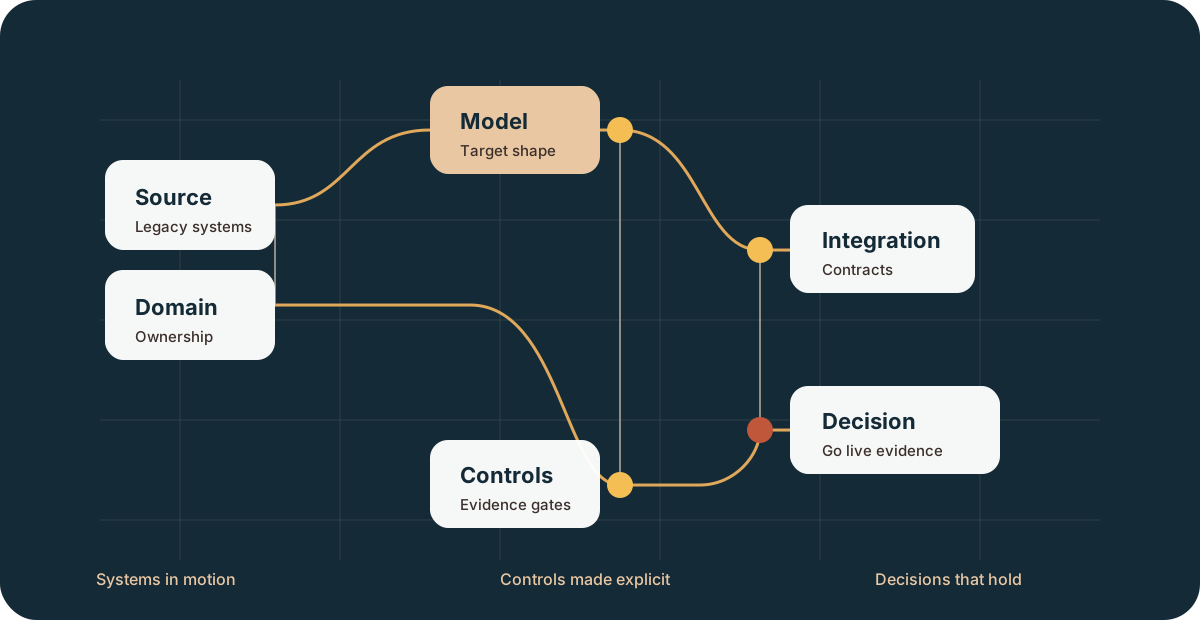
Where Pattern Bridge helps
Pattern Bridge is useful when the programme cannot stop, but the data, interfaces, ownership model or readiness evidence still need to be made clear.
Core systems are changing, but data structures, ownership and reporting dependencies no longer line up cleanly.
Suppliers are progressing integrations, but data contracts, exception handling and support responsibilities are still implicit.
Policies and forums exist, but evidence, thresholds, escalation routes and sign off are not embedded in the delivery cadence.
Sponsors need a clear view across data, integration, reporting and operations before making a high consequence decision.
Services
The services are scoped around decisions, controls and delivery evidence. They are designed for live programmes, not abstract advisory work.
Clarify target data structures, ownership, platform implications and sequencing so architecture can guide delivery.
Read more
Turn governance intent into ownership, quality thresholds, readiness gates and evidence that teams can use.
Read more
Define data contracts, interface behaviour, exception handling and support ownership before defects accumulate.
Read more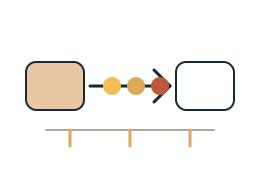
Shape migration risk, reconciliation, cutover evidence and go live decisions into a controlled delivery path.
Read moreSelected examples are from Mikhail's prior enterprise delivery roles.
Cases & Insights
Field notes and short insights from data, integration and platform change. The focus is on patterns a sponsor can recognise, not polished case-study theatre.
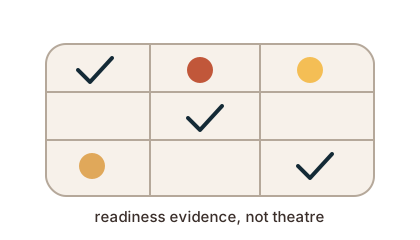
Migration is not an ETL task. It is a programme control problem.
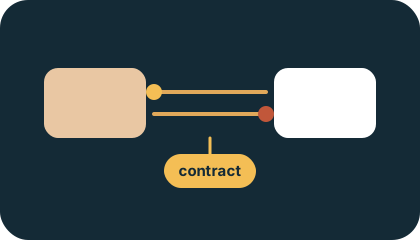
Interfaces are ownership contracts before they are technical flows.
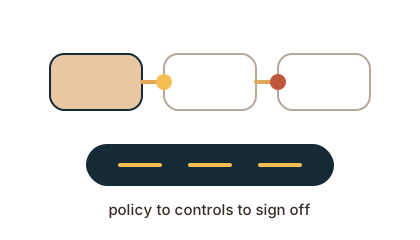
It only matters when it changes cadence, decisions and readiness.
Founder
Pattern Bridge is led by an enterprise data architect and delivery leader with more than 15 years of experience across ERP, HCM, CRM, payroll, finance and cloud data transformation.
He works best where architecture, governance, integration and delivery need to be connected under real programme constraints.
Start with the programme issue, the data risk or the integration decision. The first conversation should establish whether Pattern Bridge can help and where the real risk sits.